
Water Pollution
The SDCC Water Quality Section oversees the protection of waters in South Dublin, encompassing rivers, streams and groundwater. Local, national and European Policy Programmes are implemented to protect and restore all water bodies within the County to a high standard and implement appropriate measures should any event arise to threaten their status.
Reporting Water Pollution
All observations of polluting matter in waters, anything suspected to be polluting matter or of deliberate dumping into rivers or stormwater drains should be reported immediately to South Dublin County Council’s Water Quality Section at waterquality@sdublincoco.ie.
Please give as much detail as you can including:
- Date
- Time
- Exact locations or coordinates
- Photos and videos
- Duration of the event
- Precisely what was observed
- For dumping, vehicle registrations and company names
Immediate reporting facilitates investigation and identification of the pollution source. It is more difficult to trace the source of pollution if the discharge has ceased.
Once reported, Water Quality Section staff will investigate any pollution incident and take appropriate action. This action may include taking measures to mitigate the pollution incident, containing any spilled or dumped matter and taking appropriate action against those responsible. It may include the issuing of verbal or written warnings, the serving of Notices compelling the undertaking of specified actions or prosecutions under the Local Government (Water Pollution) Acts 1977 and 1990.
Emailing waterquality@sdublincoco.ie is the most efficient way to report a pollution incident to the Water Quality team.
Alternatively, you can phone Natural Water, County Hall, Tallaght at (01) 4149275 and request the Water Quality Section or you may use our Customer Care Contact Form to send a message.
Examples of Water Pollution
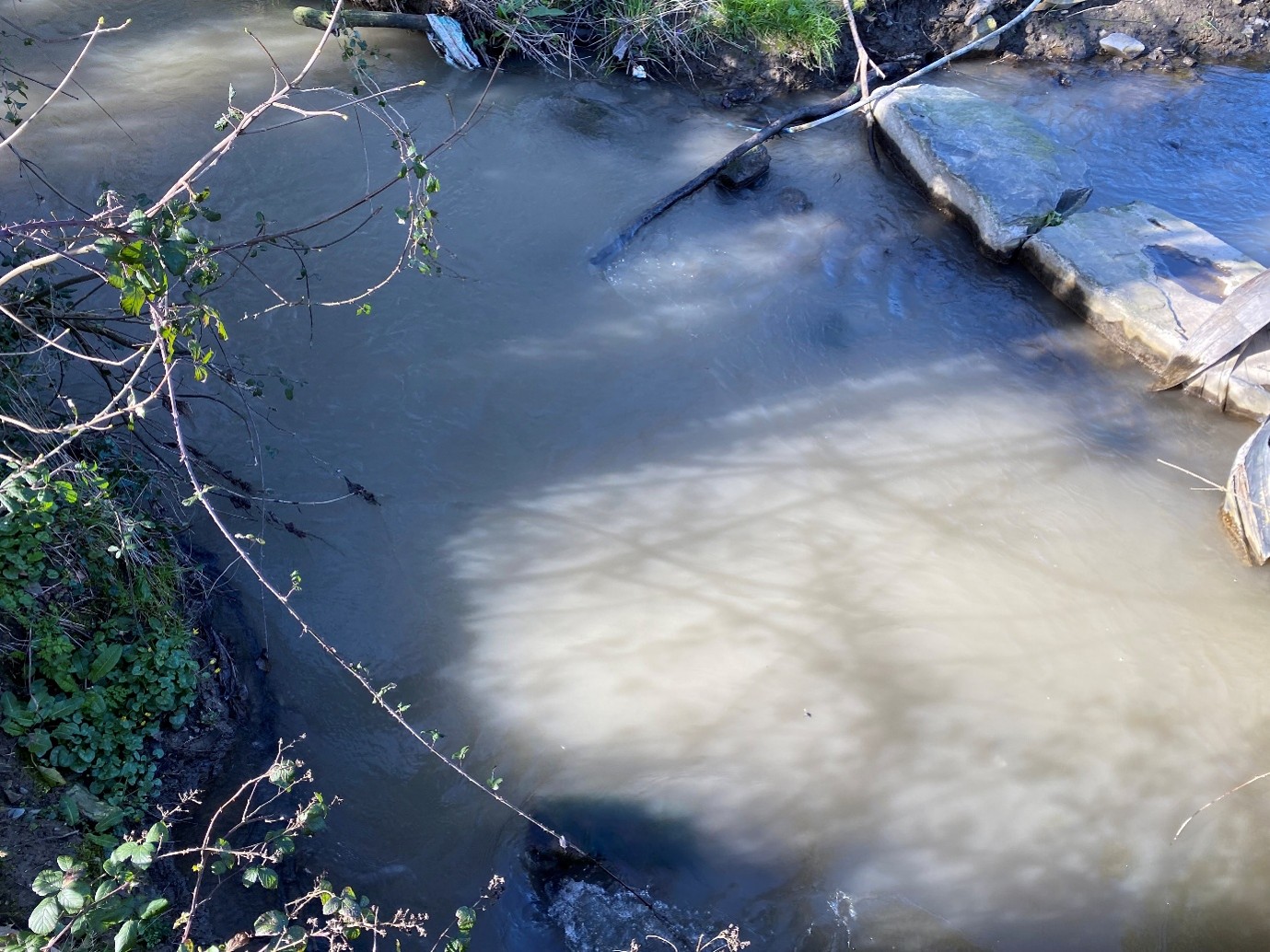
If you see dead fish floating on the river or notice that the water is discoloured and has an unpleasant odour, any one of the following forms of pollution may be the cause:
- Fertilisers or animal manures: Agricultural runoff of large amounts of fertiliser or farm waste being drained into a river or stream.
- Industrial waste: Chemical waste products from industrial processes are sometimes accidentally discharged into rivers. Occasionally poisonous substances are deliberately dumped into rivers or stormwater drains and if you see this going on, take the registration number of the vehicle and, if possible, the name of the firm. Report the matter to the police who will then take it further.
- Oils: If oil enters a slow-moving river, it forms a rainbow-coloured film over the entire surface preventing oxygen from entering the water. On larger stretches of water, the oil contaminates the feathers of water birds and when they preen the oil enters the gut and kills them.
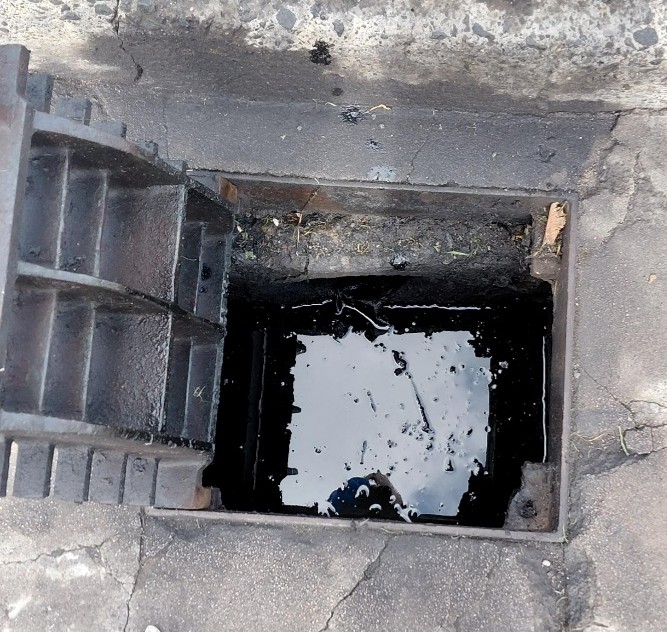
- Misconnections: Wastewater pipes from toilets, washing machines and other appliances can be erroneously connected to the surface water drainage system, which discharges to rivers, resulting in harmful sewage, detergents and soaps entering them. The source can be domestic or commercial properties.
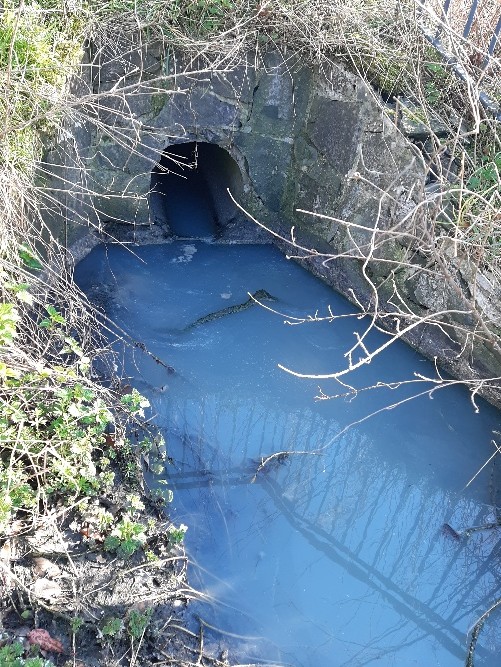
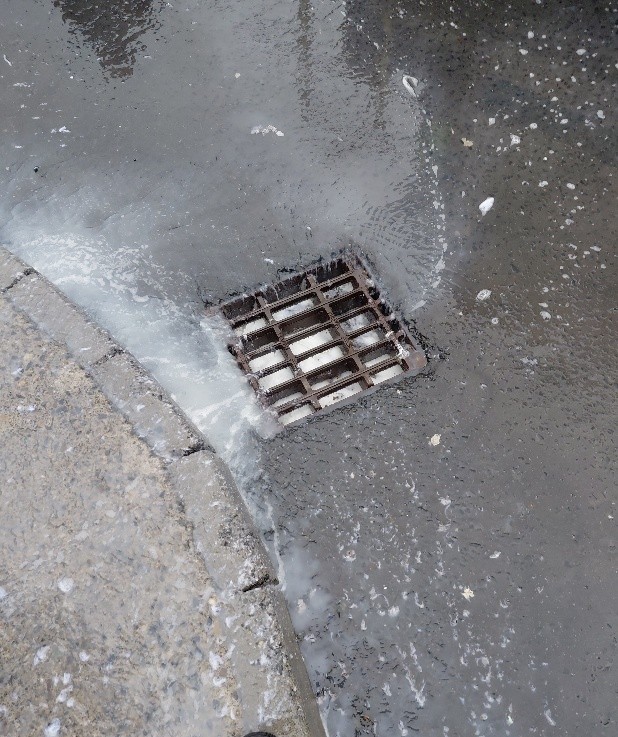
- Other polluting discharge into stormwater gullies and manholes: Polluting matters can be illegally discharged into stormwater gullies or manholes and this will reach a stream or river. Examples of businesses where disposal of liquid-waste is involved include construction sites, road sweepers, waste removal companies and car washes.